
Mission
Science is not a subject.
It is a way of loving the world attentively — and it belongs to everyone.
Science
The living practice — curiosity sharpened into method. We champion the delight of the question itself, from the bench to the night sky.
History of Science
Every instrument is an argument someone once had with the unknown. We keep the company of astrolabes, air pumps, and induction coils — and the stubborn people who built them.
Naturalism
The old discipline of simply looking — drawing the anemone, naming the moth, trusting that the world, closely observed, is explanation enough.
The Collection
Four centuries of looking closer
From engraved brass to orbiting mirrors — the same gesture, refined: hold the instrument up, and let the world be larger than it was.
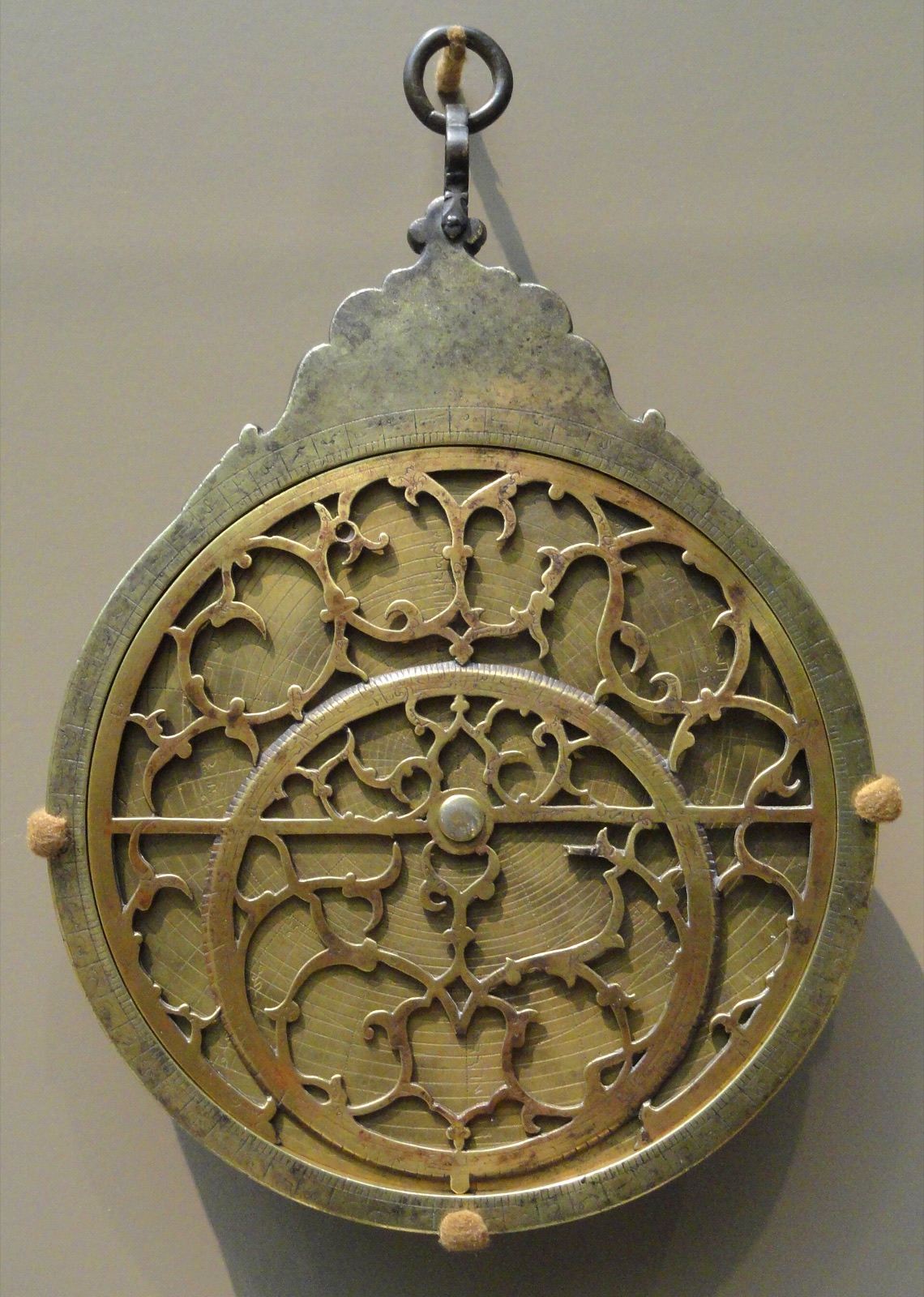
Indo-Persian Astrolabe
The heavens, flattened onto brass by Īsā ibn Allāhdād of Lahore. A pocket model of the sky, four centuries before the pocket computer.
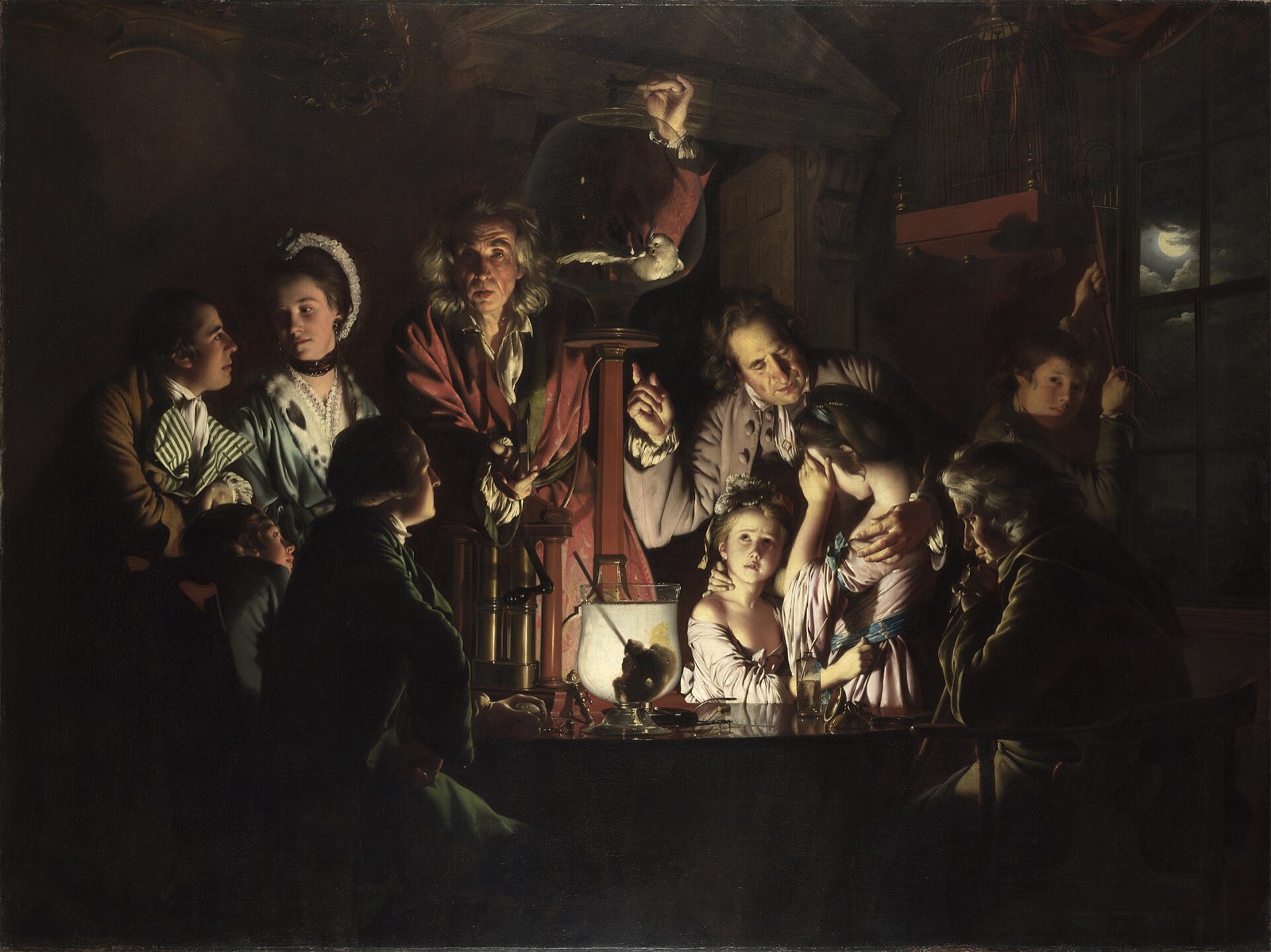
The Air Pump
Wright of Derby paints science as candlelit theatre — wonder, doubt, and tenderness gathered around a single experiment.
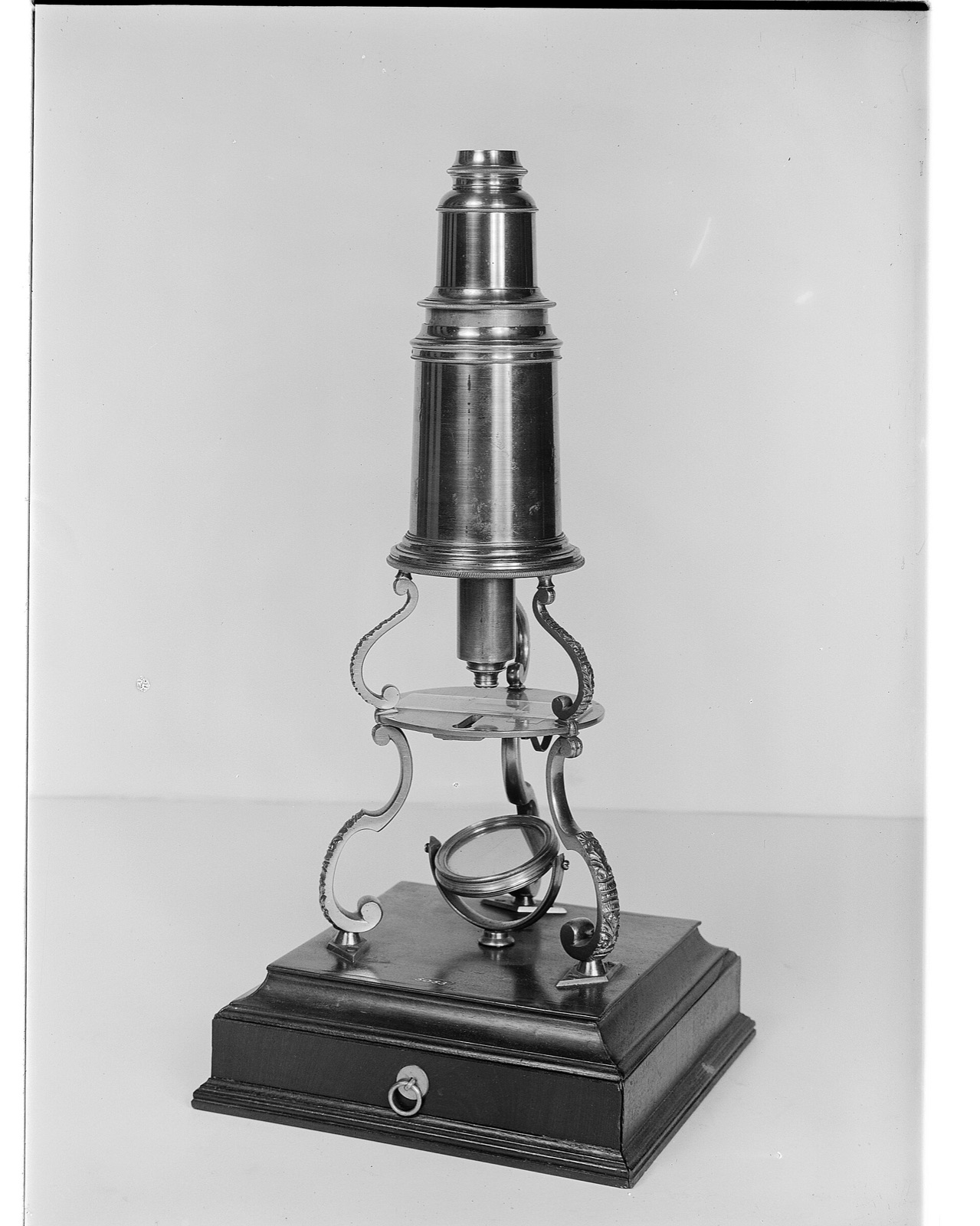
Culpeper Microscope
Three scrolled legs of polished brass, and beneath them a drawer of specimens. The invisible world, furniture-grade.
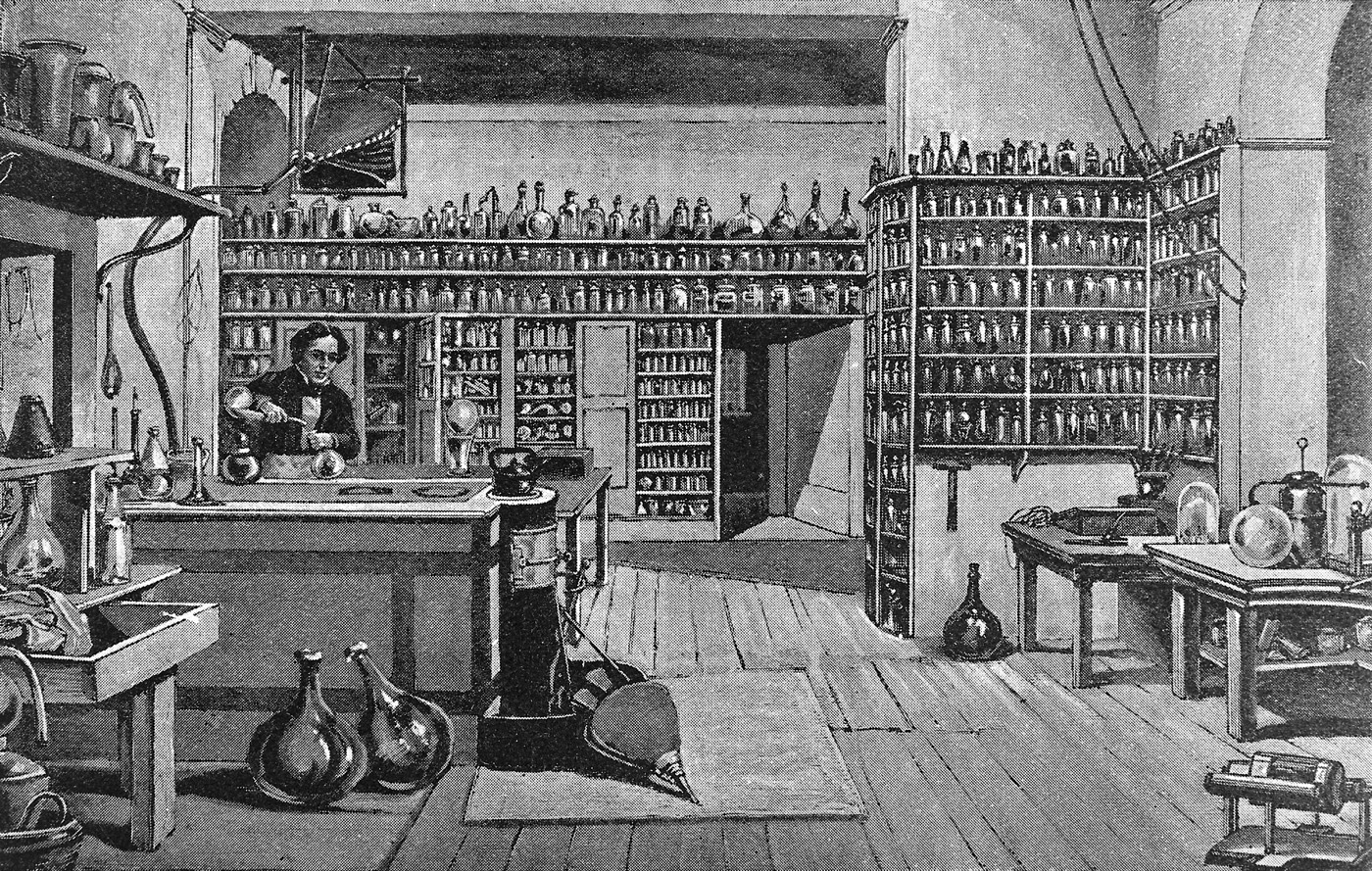
Faraday’s Laboratory
The Royal Institution basement where a bookbinder’s apprentice coaxed electricity and magnetism into one idea — our namesake and our patron spirit.
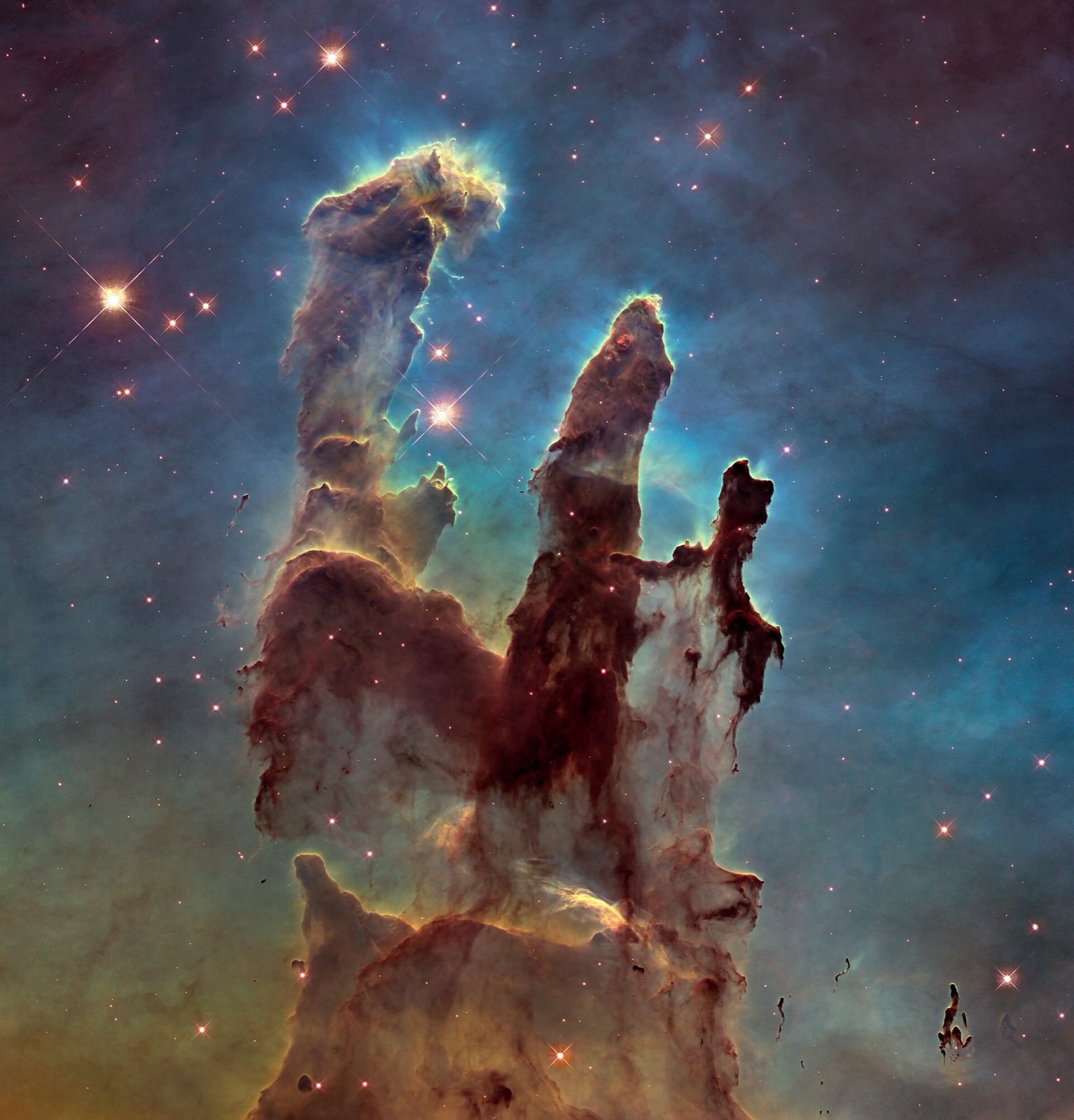
Pillars of Creation
Hubble’s portrait of the Eagle Nebula — columns of gas light-years tall, where stars are still being born.
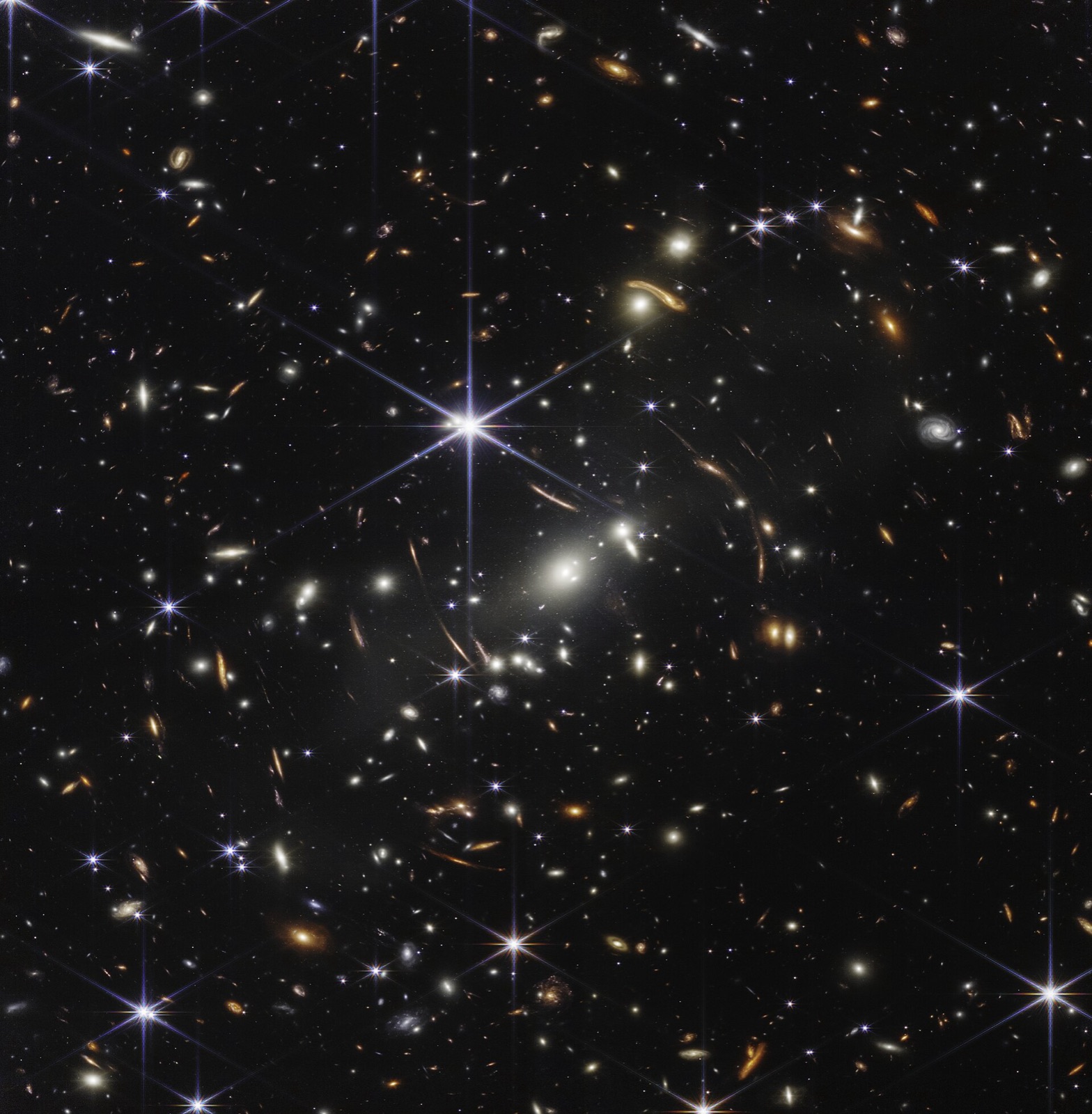
Webb’s First Deep Field
A patch of sky the size of a grain of sand at arm’s length, holding thousands of galaxies. The lineage of the astrolabe, continued.
Naturalism
The art of paying attention
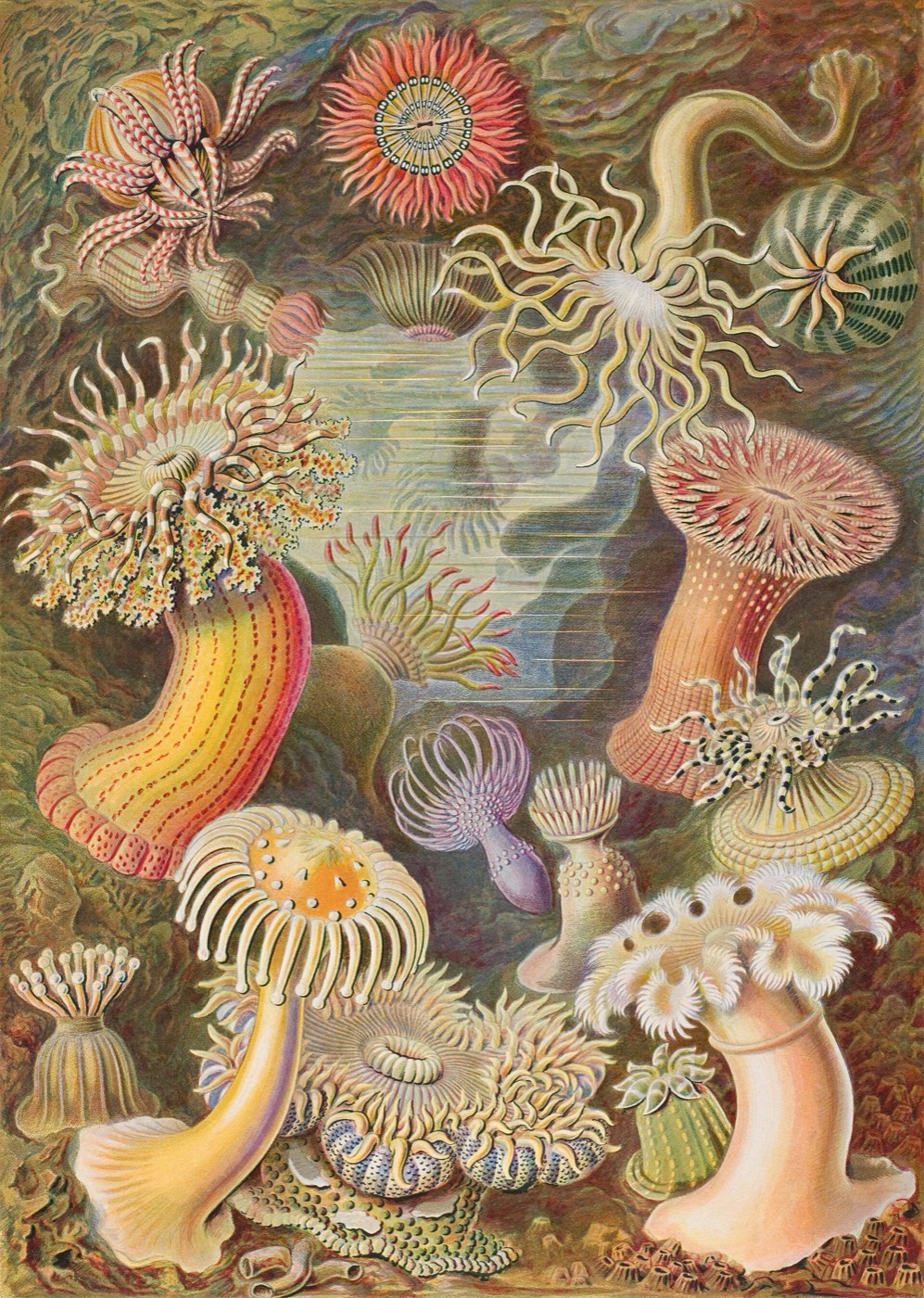
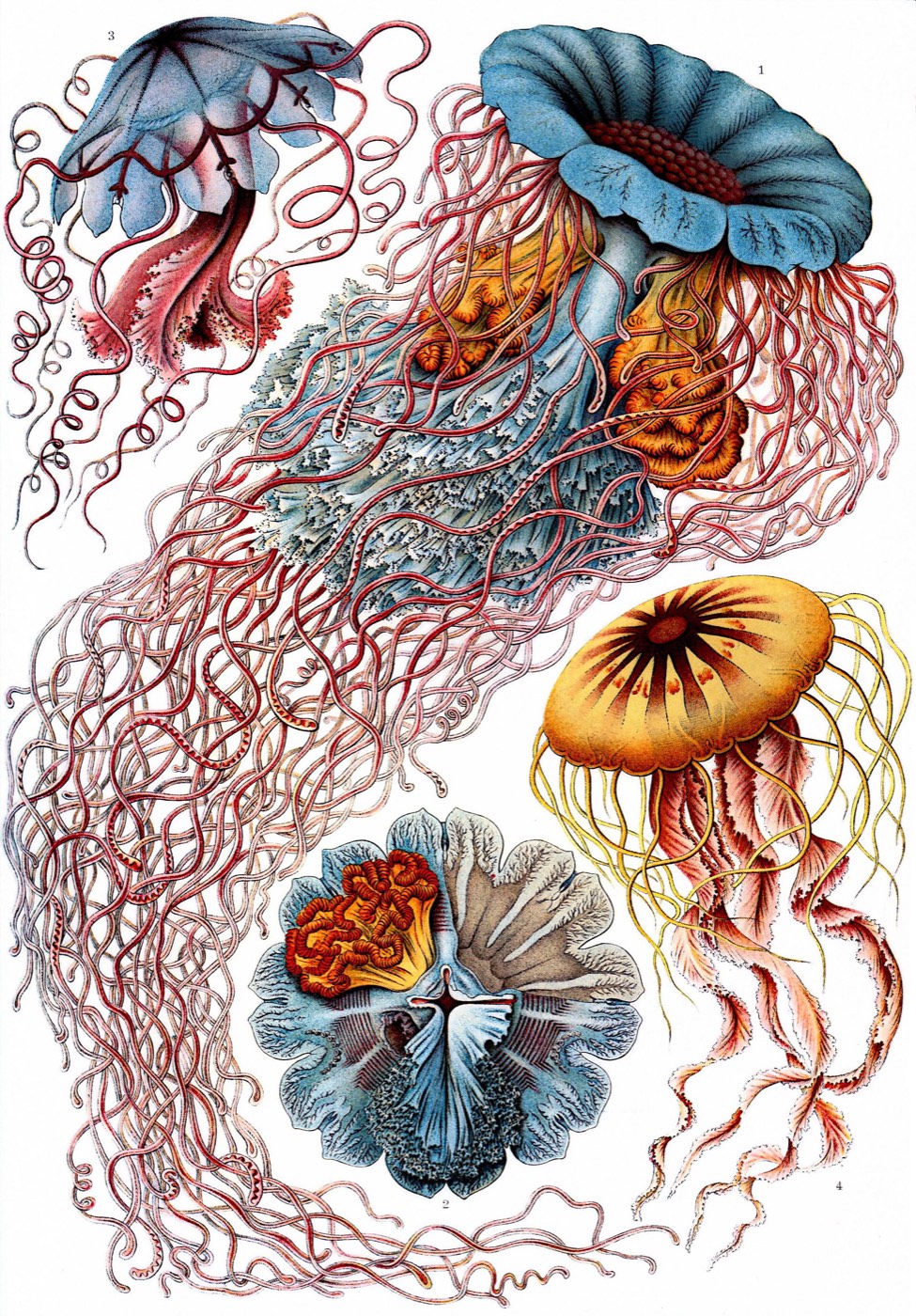
Before the camera, knowing a creature meant drawing it — every tentacle, every rib of the bell. Ernst Haeckel’s Kunstformen der Natur (1904) made the case we still make today: rigor and beauty are the same discipline.
This is the naturalist’s promise, and ours — that the world, closely observed, becomes not smaller and explained, but larger and more astonishing.

“Nothing is too wonderful to be true, if it be consistent with the laws of nature.”
Michael Faraday — laboratory journal, 19 March 1849